Smart Classrooms & Digital Learning: Do They Really Help?
Walk into a modern classroom today and you’re likely to see interactive boards, digital presentations, videos, and virtual learning tools alongside textbooks. This shift towards smart classrooms and digital learning has transformed how students learn and how teachers teach.
But an important question remains, do smart classrooms really help students, or are they just another trend in education?
At Wisdom World School, digital learning is thoughtfully integrated to support understanding, curiosity, and meaningful engagement. Let’s explore how smart class technology, when used the right way, impacts learning outcomes and whether it truly benefits school children.
What Is a Smart Classroom?
A smart classroom is a technology-enabled learning environment that uses digital education tools to enhance teaching and learning. These may include:
- Interactive whiteboards
- Audio-visual learning content
- Tablets or laptops
- Learning management systems (LMS)
- Educational videos, simulations, and animations
Unlike traditional classrooms that rely heavily on textbooks and lectures, digital classrooms focus on interactive learning, visual understanding, and student participation.
How Does Digital Learning Help Students?
Research shows that students learn better when multiple senses are engaged. Digital learning supports this by combining visual, auditory, and experiential elements, helping students understand complex concepts more easily.
According to a study by the OECD, students exposed to structured digital learning environments demonstrate higher engagement and improved comprehension, especially in subjects like science and mathematics (OECD, 2021).

Key benefits of digital learning for students include:
- Better concept clarity through visuals and simulations
- Improved attention span and engagement
- Learning at an individual pace
- Stronger retention of information
This answers a common parent concern: is digital learning effective for school children?
When used thoughtfully, yes.
Benefits of Smart Classrooms in Schools
Here’s a quick list of the advantages of smart classrooms:
| Benefit | How It Helps Students |
| Interactive learning | Encourages participation and curiosity |
| Visual explanations | Simplifies abstract concepts |
| Real-time assessments | Helps teachers track progress |
| Inclusive learning | Supports different learning styles |
| Engagement | Keeps students motivated |
A report by EdTech Review highlights that student performance improves by up to 30% when classroom technology is integrated effectively into daily lessons.
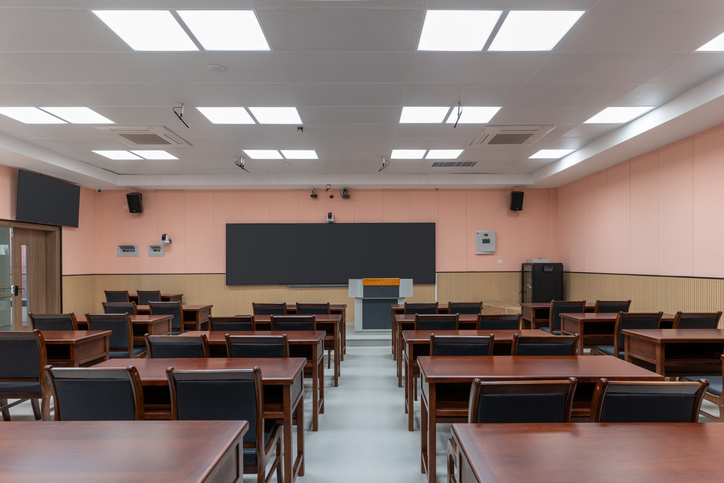
Smart Classrooms vs Traditional Classrooms
Many parents wonder about digital learning vs traditional classroom comparison. The answer isn’t about choosing one over the other, it’s about balance.
| Aspect | Traditional Classroom | Smart Classroom |
| Teaching style | Lecture-based | Interactive and multimedia |
| Student role | Passive listener | Active participant |
| Engagement | Limited | High |
| Learning pace | Uniform | Flexible |
| Concept clarity | Text-dependent | Visual + experiential |
Smart classrooms don’t replace teachers, they support teachers by making learning more engaging and personalised.
How Smart Classrooms Improve Student Engagement
One of the biggest impacts of smart classrooms on learning outcomes is student engagement.
According to UNESCO, interactive digital tools can increase classroom participation by over 40%, particularly among younger learners and visual thinkers (UNESCO, 2022).
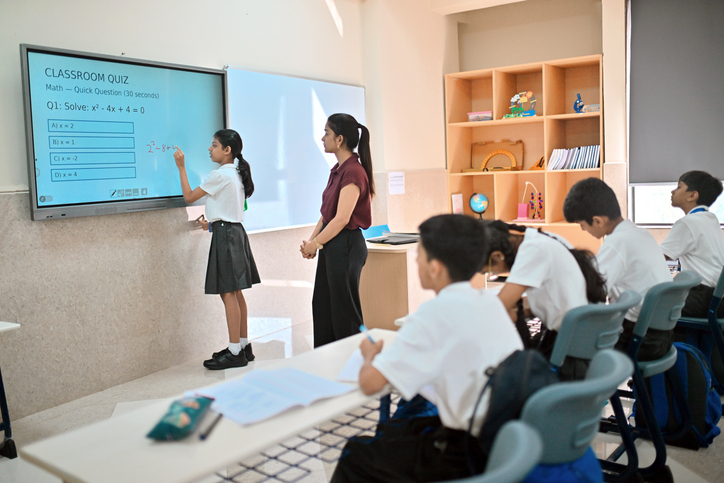
Features like:
- Quizzes on smart boards
- Educational videos
- Gamified learning modules
…help students stay attentive and involved, answering the question:
how smart classrooms improve student engagement.
Role of Technology in Modern Education
Technology is no longer optional in education, it’s essential.
The role of ICT in education includes:
- Making learning relevant to real-world applications
- Preparing students for a digital future
- Supporting critical thinking and problem-solving
At schools like Wisdom World School, digital teaching methods are used to complement classroom discussions, ensuring technology enhances, not replaces, human interaction.
Are Smart Classrooms Effective for All Age Groups?
Yes, with age-appropriate implementation.
- Early Years: Visual storytelling, animations, and sound help build foundational understanding.
- Primary Grades: Interactive boards and videos support curiosity and exploration.
- Middle & Senior School: Simulations, virtual labs, and digital assessments deepen conceptual learning.
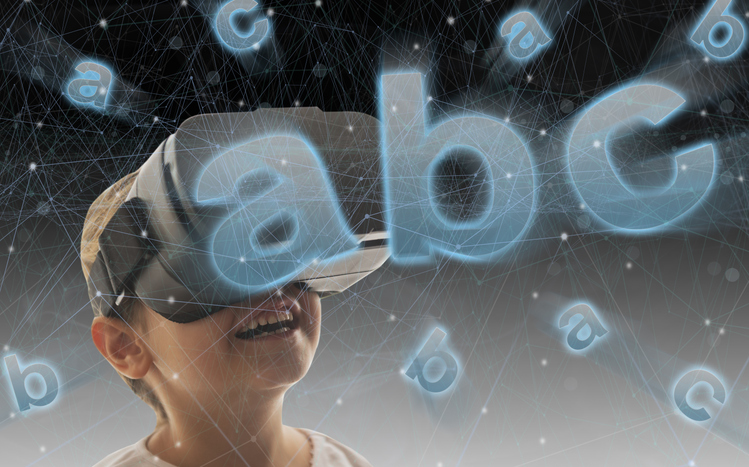
Studies from Harvard Graduate School of Education confirm that guided digital learning, when aligned with curriculum goals, benefits students across age groups.
Challenges of Digital Learning (And How Schools Manage Them)
While the importance of digital classrooms in today’s education is clear, challenges do exist:
- Screen time concerns
- Digital fatigue
- Over-reliance on technology
The solution lies in balanced usage. Schools that integrate modern classroom solutions thoughtfully, combining physical activity, discussion, and digital tools, see the best results.
How Smart Classrooms Support Teachers
Smart classrooms don’t just benefit students, they empower teachers too.
Teachers can:
- Use visuals to explain difficult concepts
- Track student progress in real time
- Adapt lessons based on learning needs

This improves overall teaching effectiveness and learning outcomes, reinforcing why schools should adopt smart classrooms.
The Future of Smart Classrooms
The future of education lies in blended learning, a mix of traditional teaching and virtual learning tools.
According to McKinsey & Company, digital education tools will play a central role in preparing students for future careers by building adaptability, digital literacy, and problem-solving skills. (McKinsey & Company)
Smart classrooms are not about screens, they’re about smarter learning experiences.
Final Thoughts: Do Smart Classrooms Really Help?
So, do smart classrooms improve learning?
The evidence says yes, when used intentionally and responsibly.
Smart classrooms:
- Enhance understanding
- Improve engagement
- Support teachers
- Prepare students for the future
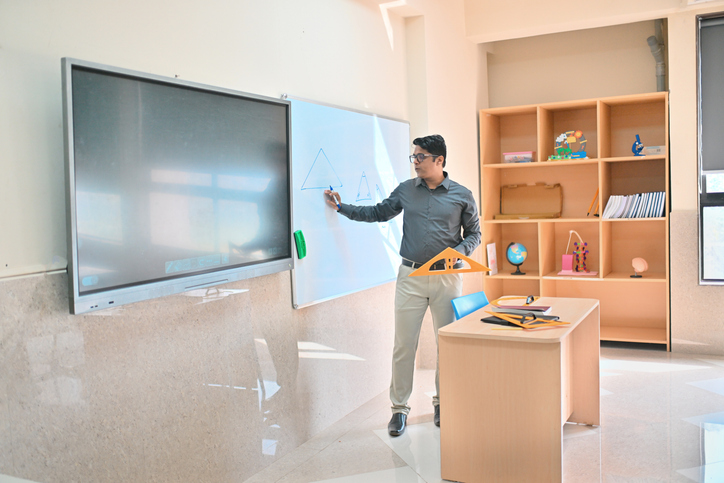
At Wisdom World School, digital learning is not a replacement for traditional education but a powerful tool that strengthens it, ensuring students learn with clarity, confidence, and curiosity.
FAQs: Smart Classrooms & Digital Learning
Q. What is a smart classroom?
A smart classroom is a technology-enabled learning space that uses tools like interactive boards, digital content, videos, and virtual learning tools to make lessons more engaging, visual, and interactive for students.
Q. Do smart classrooms really help students?
Yes, smart classrooms improve understanding and engagement by combining visual, audio, and interactive elements. Research shows that when used thoughtfully, smart classrooms positively impact learning outcomes and student participation.
Q. Is digital learning better than traditional learning?
Digital learning is most effective when combined with traditional teaching. While traditional classrooms build structure and discipline, digital learning enhances concept clarity, engagement, and real-world understanding through interactive methods.
Q. How does digital learning help students?
Digital learning helps students understand concepts better through animations, videos, simulations, and interactive activities. It also supports different learning styles and allows students to learn at their own pace.
Q. What are the benefits of smart classrooms in schools?
The key benefits of smart classrooms include improved student engagement, better concept understanding, inclusive learning for different abilities, real-time assessment, and stronger teacher support through digital tools.
Q. How do smart classrooms improve student engagement?
Smart classrooms encourage active participation through quizzes, videos, discussions, and interactive boards. This keeps students attentive and motivated, especially in subjects that are traditionally considered challenging.
Q. Are smart classrooms effective for all age groups?
Yes. When designed appropriately, smart classrooms are effective for early years, primary, and senior students. Visual and interactive learning is especially beneficial for younger learners, while older students benefit from simulations and digital assessments.
Q. What tools are used in a smart classroom?
Common smart classroom tools include interactive whiteboards, projectors, educational software, tablets, learning management systems, videos, and online assessment platforms.
Q. Is digital learning good for school children?
Yes, digital learning is beneficial for school children when screen time is balanced and guided. Schools that combine digital education tools with physical activity, discussion, and hands-on learning see the best outcomes.
Q. What is the future of smart classrooms?
The future of smart classrooms lies in blended learning, where traditional teaching is enhanced with digital tools. This approach helps students develop critical thinking, digital literacy, and adaptability for future careers.