How to Deal with Bullying at School as a Parent: A Complete Guide
At Universal Wisdom School (UWS), we believe that every child deserves to learn, grow, and dream in a space that is safe, supportive, and kind.
That’s why we maintain a strict no-tolerance policy against bullying, supported by awareness programs, counseling initiatives, and consistent vigilance from our teachers and staff.
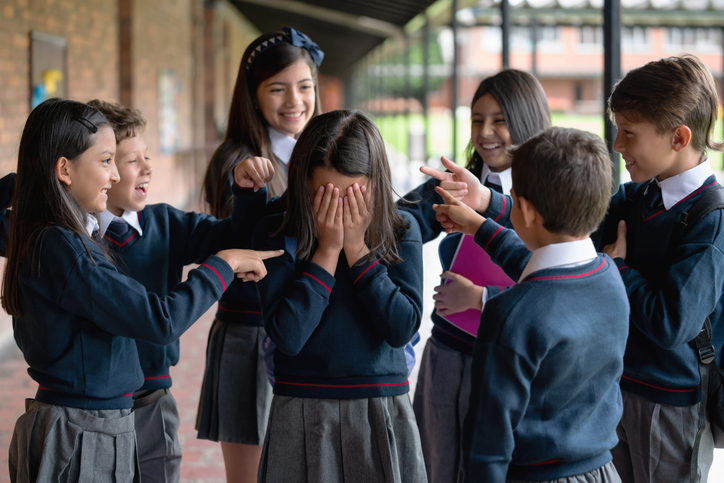
But even in the best environments, bullying can occur; in classrooms, on the playground, or online. Knowing how to deal with bullying at school as a parent can make all the difference in how your child copes, heals, and grows stronger from the experience.
This blog offers parents a practical, empathetic guide to school bullying solutions: how to identify signs, what to do, and how to build lasting emotional support for your child.
Understanding Bullying at School
Bullying isn’t just ‘kids being kids.’ It’s a repeated, intentional behavior meant to hurt, humiliate, or exclude another child – physically, verbally, or emotionally.
According to UNICEF (2023), nearly 1 in 3 students worldwide have experienced some form of bullying. In India, over 42% of school students reported being bullied at least once. (21K School. (2025, November 7) (National Commission for Protection of Child Rights [NCPCR], 2022).

Common Types of Bullying
| Type | Examples |
| Physical | Hitting, pushing, damaging belongings |
| Verbal | Name-calling, threats, teasing |
| Social | Exclusion, spreading rumors, group isolation |
| Cyberbullying | Hurtful messages, social media harassment |
At UWS, we actively monitor for all forms of bullying and intervene early through classroom observation, student well-being programs, and open communication channels with parents.
How to Identify Signs of Bullying in Children
One of the biggest challenges parents face is recognizing when their child is being bullied. Not every child will openly talk about it, some might feel embarrassed or afraid.
Warning Signs to Watch Out For:
- Sudden reluctance to go to school or frequent ‘sick days’
- Unexplained bruises, torn clothes, or missing belongings
- Withdrawal from friends or favourite activities
- Drop in academic performance
- Changes in eating or sleeping patterns
- Emotional distress: anxiety, sadness, or anger
If you notice a combination of these behaviors, it’s important to start a gentle, supportive conversation.
How to Talk to Your Child About Bullying
When your child opens up, listen, don’t rush. The goal is to make them feel heard, safe, and supported. Experts recommend that parents focus on listening calmly and validating feelings when children open up about bullying (StopBullying.gov, 2024).

Parent Guide to Bullying Conversations:
- Stay Calm: Your child needs reassurance, not panic.
- Listen Without Judgment: Let them explain in their own words.
- Acknowledge Their Feelings: Saying “That must have been really hard”, builds trust.
- Avoid Immediate Confrontation: Don’t contact the other child or parent right away, involve the school first.
- Empower Them: Teach assertive yet calm responses like “Please stop” or “That’s not okay.”
Tip: Encourage journaling or drawing, it helps children express feelings they can’t yet verbalize.
Helping Kids Handle Bullying Emotionally
The emotional effects of bullying on children can last longer than the incident itself, affecting confidence and trust. As a parent, your role is to rebuild their sense of safety and self-worth. Research shows that parental emotional support significantly helps children recover faster from bullying trauma and improves their engagement in school (American Psychological Association [APA], 2021).

Emotional Support Tips for Parents:
- Validate their feelings: Avoid phrases like “Just ignore it.”
- Reinforce self-esteem: Praise strengths, creativity, and kindness.
- Encourage peer bonding: Playdates or team activities help rebuild trust.
- Seek counseling: Professional help can support coping with bullying.
There is evidence that social support, including parental support, can buffer negative mental-health effects of bullying. For example, a study found that parental support significantly improves life satisfaction among adolescents who experienced bullying.(Salgado et al., 2021)
Building Confidence in a Bullied Child
Confidence is your child’s strongest armour. To help them recover from bullying:
- Enroll them in extracurricular activities they enjoy.
- Help them set small, achievable goals; confidence grows with success.
- Encourage body language that conveys confidence (eye contact, posture).
- Celebrate progress, not perfection.
Did you know? A study by the National Center for Education Statistics (2023) found that students involved in structured extracurricular activities were 25% less likely to face repeated bullying.
How to Communicate with Teachers About Bullying
When dealing with school bullying, collaboration between parents and teachers is key.
Schedule a meeting with your child’s class teacher or counselor. Be factual- share dates, examples, and changes in your child’s behaviour.
How UWS Ensures a Safe and Supportive Learning Environment
The UWS Commitment to Safety and Kindness
At Universal Wisdom School (UWS), student well-being is a top priority. Our school has a very safe that ensures all student or parent concerns are handled confidentially, respectfully, and with care.
Teachers and staff are trained to maintain a positive, inclusive environment where every learner feels safe and supported. The school regularly conducts orientation sessions and training programs for teachers and parents to strengthen awareness about student welfare and inclusion.

UWS’s policies reflect its ongoing commitment to creating a secure, empathetic, and respectful school culture; one that encourages open communication between students, teachers, and parents.
We also emphasize positive reinforcement, encouraging students to model kindness and inclusion in daily interactions.
What Parents Should Do if Bullying Persists
If you’ve reported the issue and it continues:
- Keep detailed records (messages, screenshots, timelines).
- Escalate the issue to the school administration.
- Follow up for written responses and intervention steps.
Always remember: your child’s safety and mental health come first.
Final Note
Bullying is never ‘just a phase’. It’s a challenge, but one that can be overcome through awareness, empathy, and teamwork. At UWS, we stand firm against bullying and for every child’s right to a joyful, secure learning journey.
Together, let’s raise stronger, kinder, and more confident children, because a safe school is where true education begins.