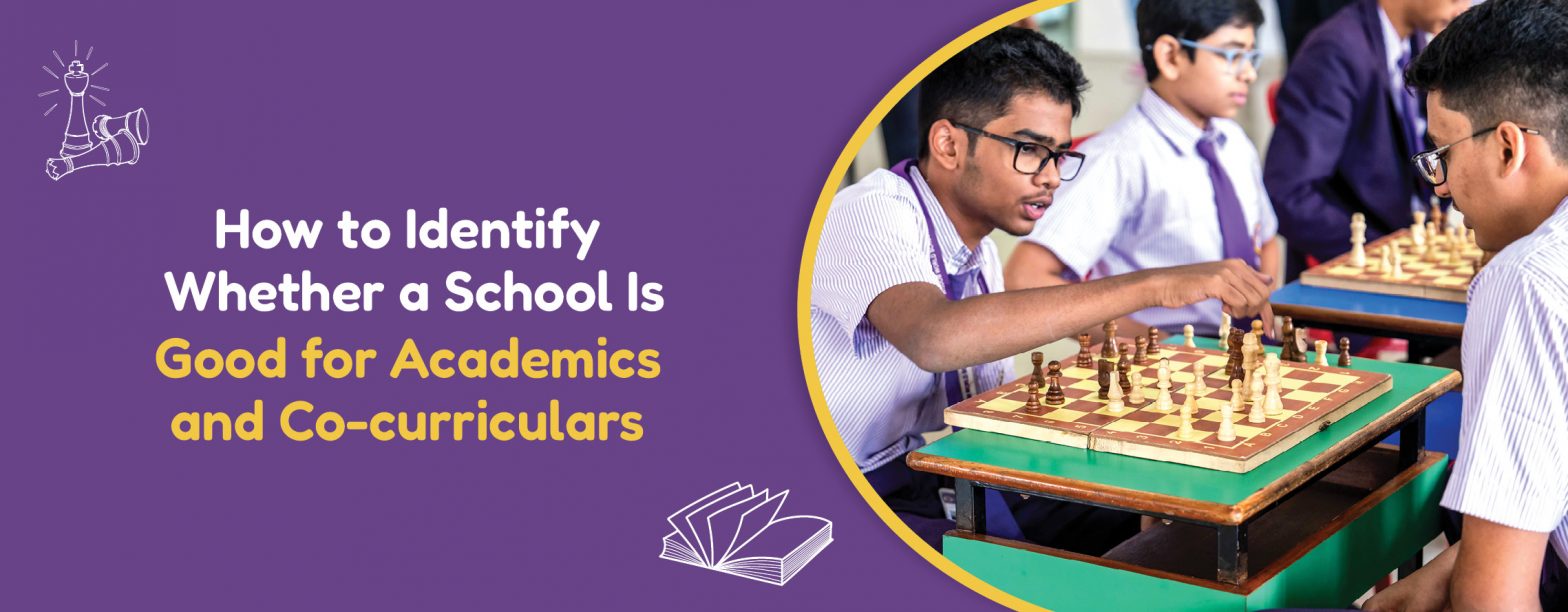
How to Identify Whether a School Is Good for Academics and Co-curriculars
The process of picking the right school for your child involves much more than just looking at exam results or sports achievements. Parents increasingly want environments where their children can blossom intellectually alongside developing confidence, creativity, and leadership skills.
Understanding how to identify whether a school is good for academics and co-curriculars helps families make informed, long-term decisions. Let us try and understand what exactly makes a school good for academics and extracurricular activities. We share some practical indicators parents can use when evaluating schools in Pune.
Why Balance Matters More Than Ever
The importance of both academics and co-curriculars in school cannot be stressed enough and is now widely acknowledged. Research shows that students who participate in structured co-curricular activities often demonstrate improved focus, motivation, and academic engagement.
According to the OECD, balanced development supports both cognitive growth and social-emotional skills, which are essential for long-term success.
This means that one of the most important school selection criteria for parents should be a balanced approach, rather than choosing schools based on marks alone.
1. Signs of a Strong Academic School with Good Co-curriculars
Some early signs of a strong academic school with good co-curriculars include:
- Consistent board results across years
- Structured academic planning without undue pressure
- Regular sports, arts, and cultural programmes embedded into the school calendar
- Equal encouragement for participation, not just elite performers
Schools that openly share their philosophy, curriculum structure, and student development approach often demonstrate this balance in practice. Parents can search for these details on the respective school’s website, for example this page highlights Wisdom World School’s educational philosophy.
2. How to Evaluate a School’s Academic and Co-curricular Programmes
So, how can parents evaluate a school’s academic and co-curricular programmes? It is important to assess the following:
- Depth of curriculum delivery
- Frequency and quality of activities
- How learning extends beyond textbooks into hands-on experiences
Educational research from UNESCO highlights that schools integrating academics with arts, sports, and experiential learning create stronger learning outcomes overall.
3. Checking Board Results and Activity Achievements
A reliable way to assess balance is knowing how to check a school’s board results and sports achievements:
- Review board performance trends over multiple years
- Look for participation in academic Olympiads, debates, and STEM competitions
- Check involvement in inter-school, district, or state-level sports events
Many Pune schools with state-level sports and academic Olympiad winners document these outcomes transparently in newsletters or annual school reports, which are often available on school websites.
4. Teacher Qualifications and Coach Expertise
Strong academics and activities depend on capable mentors. Evaluating teacher qualifications and coach expertise is essential.
Parents should ask about:
- Teacher training, experience, and subject specialisation
- Continuous professional development programs
- Availability of trained sports coaches and arts instructors
The National Education Policy (NEP 2020) emphasises teacher quality and multidisciplinary exposure as critical to student development.
5. Infrastructure That Supports Learning and Play
Facilities matter, but only when they are used meaningfully. The importance of infrastructure for labs and playgrounds lies in access, safety, and integration into daily learning.
When exploring how to assess Pune school’s science labs and art facilities, parents should look for:
- Functional science labs with age-appropriate equipment
- Dedicated art, music, and movement spaces
- Safe, supervised playgrounds and sports facilities
Schools that invest in learning spaces alongside play areas demonstrate commitment to future-ready skills and physical well-being.
6. Time Allocation: Academics vs Activities
One of the clearest indicators of balance is the school timetable. Reviewing time allocation for academics vs activities in school schedule shows what a school truly prioritises.
Balanced schools ensure:
- Daily academic structure
- Regular physical education and sports
- Scheduled creative, cultural, and leadership activities
The American Academy of Pediatrics has highlighted the positive role of regular physical activity in improving academic performance and attention.
7. School Rankings, Reports, and Parent Feedback
Parents often wonder how school rankings reflect both academic and co-curricular excellence. Rankings can provide context, but they should be read alongside:
- School annual reports
- Achievement summaries
- Parent reviews on a school’s holistic environment
Platforms that aggregate parent feedback can offer insight, but firsthand interaction with the school remains invaluable.
8. Questions to Ask During School Visits
Preparing questions to ask about a school’s academic and activity balance helps parents move beyond surface impressions.
Useful questions include:
- How are students supported academically at different levels?
- How are co-curricular activities integrated into learning?
- How are sports and arts scheduled during the academic year?
These conversations reveal whether balance is systemic or incidental.
9. Impact of Co-curriculars on Academic Performance
There is strong evidence on the impact of co-curriculars on student academic performance. Studies summarised by Harvard Graduate School of Education suggest that structured extracurricular participation supports executive function, discipline, and motivation.
Balanced schools design programs that reinforce, rather than compete with, academics.
10. Red Flags to Watch For
Parents should stay alert to red flags for schools weak in either academics or activities, such as:
- Excessive academic pressure with minimal creative outlets
- Activities limited to annual events rather than ongoing programs
- Inadequate facilities or untrained coaches
Recognising these signs early prevents misaligned choices.
Choosing the Right School in Pune
Families researching best schools in Pune for academics and sports, top CBSE schools in Pune with strong co-curricular programs, or schools in Pune with balanced academic and activity focus benefit from:
- Multiple school visits
- Honest conversations with educators
- Careful review of academic and activity outcomes
Understanding the school admission process in Pune for all-round development also helps parents align expectations and timelines realistically.
Final Thoughts
Knowing how to identify whether a school is good for academics and co-curriculars empowers parents to choose environments where children grow with confidence, curiosity, and balance.
A strong school nurtures academic brilliance while supporting leadership, compassion, and respect for tradition and culture, preparing children not just for exams, but for life.