25 Simple Mindfulness Tips for Kids and Teens Every School Should Teach
Students today are frequently balancing school, extracurriculars, social life, and screen time almost non-stop. As a result, student stress, anxiety, attention, and emotional wellbeing related problems are rising day by day. Hence, mindfulness for kids and teens is not just a trend but a need of the hour.
Hence, at Wisdom World School, there is a growing emphasis on holistic education that encompasses everything beyond academics. Through incorporating mindfulness in school, teachers can enhance students’ mental health, emotional intelligence, and academic achievements in a balanced manner.
These simple mindfulness tips for kids and teens are a great help for schools to introduce easy mindfulness activities for classroom daily routines, improving focus, behaviour, and resilience.
What is Mindfulness for Kids and Teens in Simple Terms?
Mindfulness for kids and teens simply means being completely in touch with the present moment and recognising your thoughts, feelings, and environment without responding immediately or being harsh to yourself.
For learners, it mainly involves:
- Paying attention to breathing
- Noticing emotions before reacting
- Focusing on one task at a time
The American Psychological Association notes that mindfulness leads to improved attention, emotional regulation, and stress management, making it a powerful tool for child development and student wellbeing.
Why Should Mindfulness Be Taught in Schools?
There has hardly been a stronger case made for the introduction of mindfulness in education systems than now. According to research conducted by the World Health Organization, a considerable number of mental health issues are rooted in adolescent years. As such, schools have a key part to play in the provision of early help.
The implementation of mindfulness at school times can help to:
– Encourage mindfulness for student mental health
– Increase student participation and behaviour management
– Develop social-emotional learning (SEL) skills
– Improve concentration and academic achievements
Mindfulness is not an extra subject, it’s a foundation skill for lifelong wellbeing.
Key Benefits of Mindfulness in Education
The benefits of mindfulness in education are backed by strong research:
- Helps in improving focus and attention and also supports attention improvement
- Eases stress and anxiety among students
- Helps in developing emotional intelligence and resilience
- Encourages positive behaviour in schools
- Enhances academic performance and classroom participation
Studies from Harvard University and Johns Hopkins University state that individuals who use mindfulness techniques are able to significantly improve their mental health and boost their cognitive functions.
25 Simple Mindfulness Tips
1. One-Minute Breathing Break
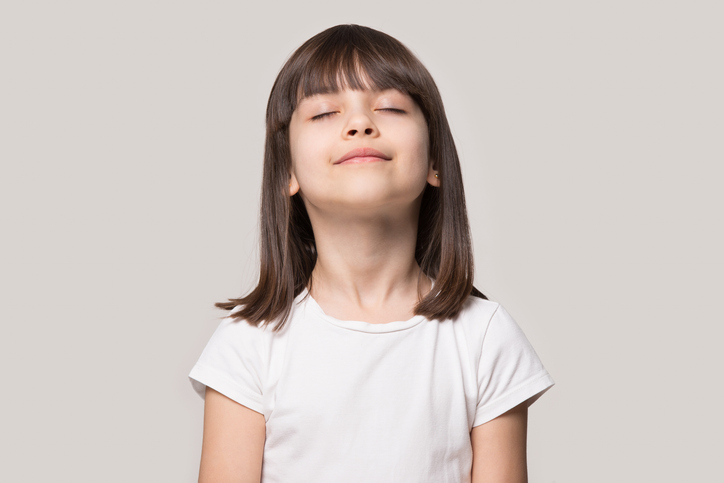
This is the simplest entry point into mindfulness meditation for kids. Ask students to close their eyes and focus only on their breath for one minute.
Why it works:
Breathing regulates the nervous system. Even a short pause can reduce stress hormones and improve attention before learning begins.
2. Five Senses Exercise
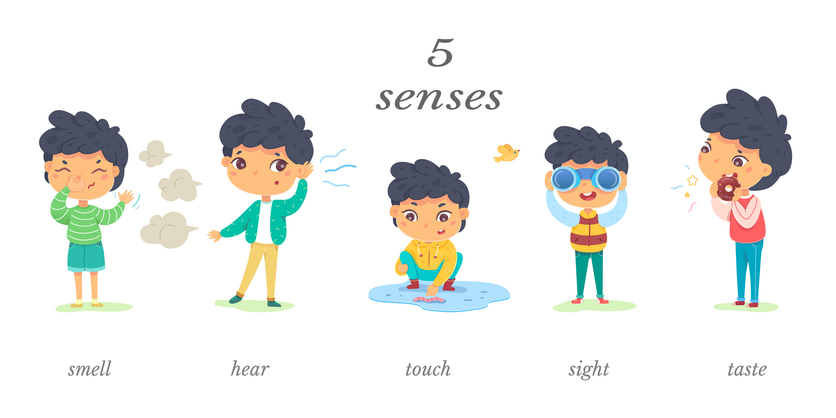
Students identify:
5 things they see, 4 they feel, 3 they hear, 2 they smell, 1 they taste.
Why it works:
This grounding technique is highly effective for mindfulness for anxiety in students, as it pulls attention away from racing thoughts and anchors it in the present moment.
3. Mindful Listening
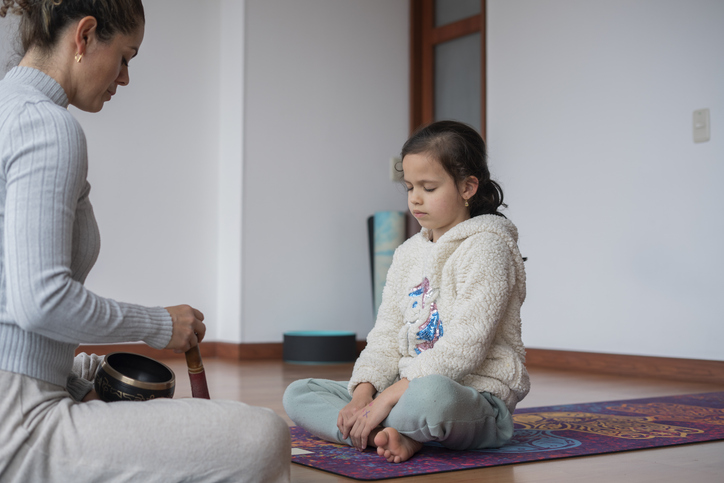
Play a sound (bell, chime, or music) and ask students to listen until it fades completely.
Why it works:
This strengthens attention control, a key part of mindfulness for focus and concentration, and trains students to avoid distractions.
4. Belly Breathing
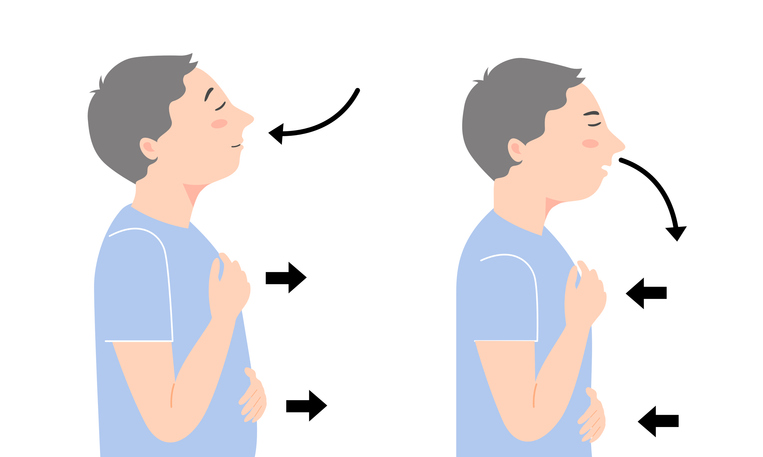
Students place a hand on their stomach and feel it rise and fall as they breathe deeply.
Why it works:
Deep breathing activates the body’s relaxation response, making it one of the most effective tools for stress relief in students.
5. Gratitude Pause
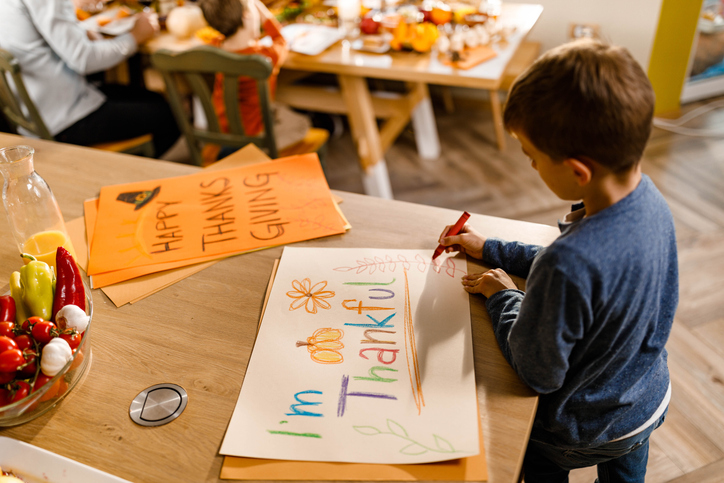
Ask students to share or write down one thing they’re grateful for each day.
Why it works:
Gratitude shifts attention from stress to positivity, improving emotional wellbeing and resilience.
6. Silent Minute Before Class
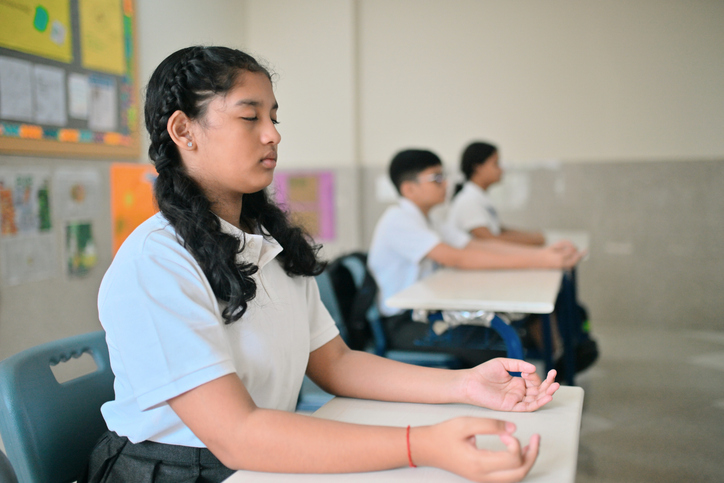
Start every class with one minute of silence.
Why it works:
It creates a transition from chaos to calm, helping students mentally prepare and improving classroom focus and discipline.
7. Emotion Check-In

Students identify how they’re feeling using words like “happy,” “anxious,” or “tired.”
Why it works:
Naming emotions builds emotional intelligence, a core part of social-emotional learning (SEL).\
8. Guided Visualisation

Lead students through imagining a calm, safe place.
Why it works:
Visualisation reduces anxiety and enhances creativity, making it a powerful mindfulness technique for teens stress.
9. Mindful Walking
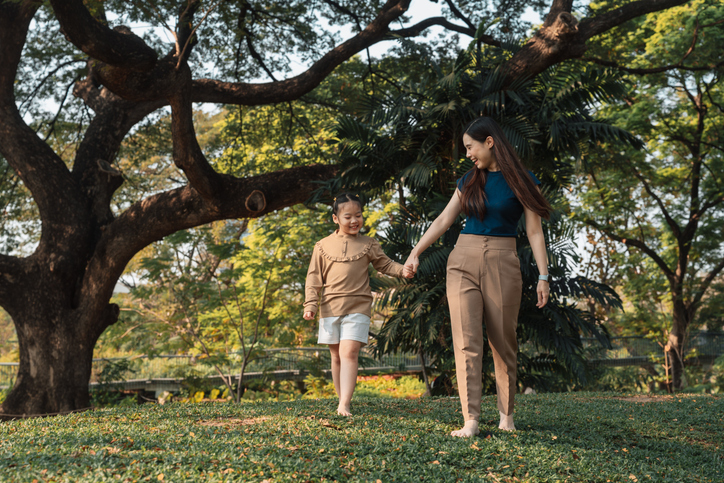
Students walk slowly, paying attention to each step.
Why it works:
This reduces restlessness and improves body awareness, especially helpful for younger children.
10. Focus on One Task
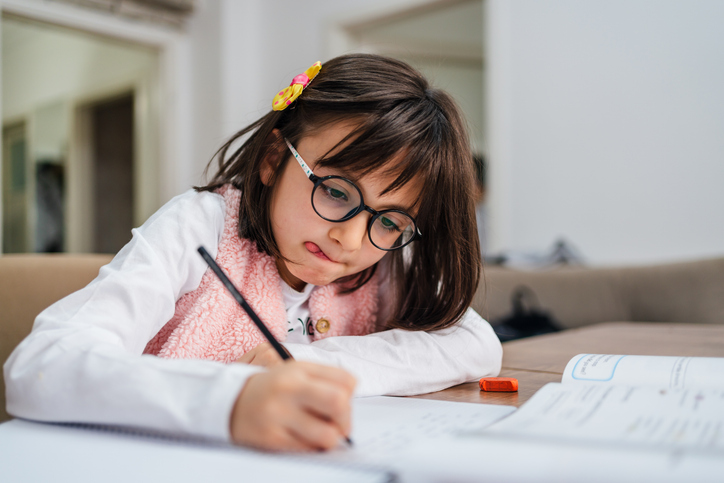
Encourage students to do one thing at a time, no multitasking.
Why it works:
Multitasking reduces efficiency. Mindfulness improves attention and academic performance.
11. Stretch & Breathe
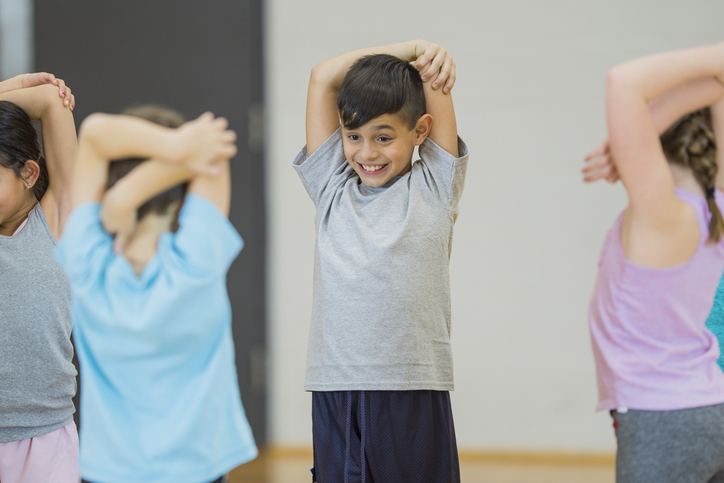
Combine light stretching with deep breathing.
Why it works:
Releases physical tension and boosts energy, improving student engagement in classrooms.
12. Journaling Thoughts
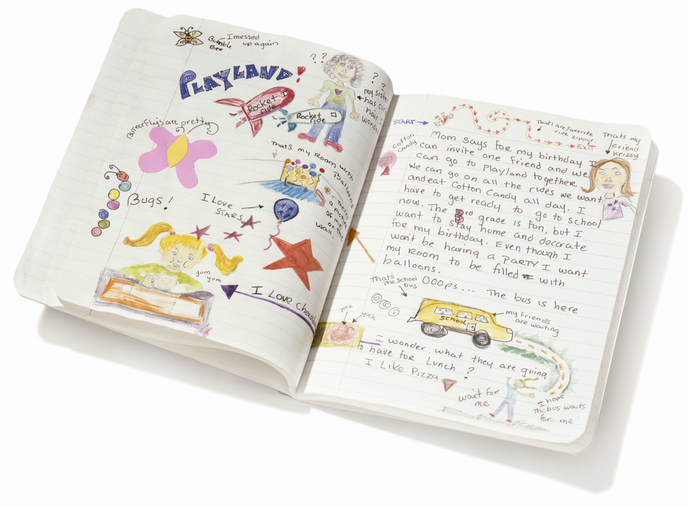
Students write freely about their thoughts or worries.
Why it works:
Journaling helps process emotions and supports student mental health and clarity.
13. Kindness Practice
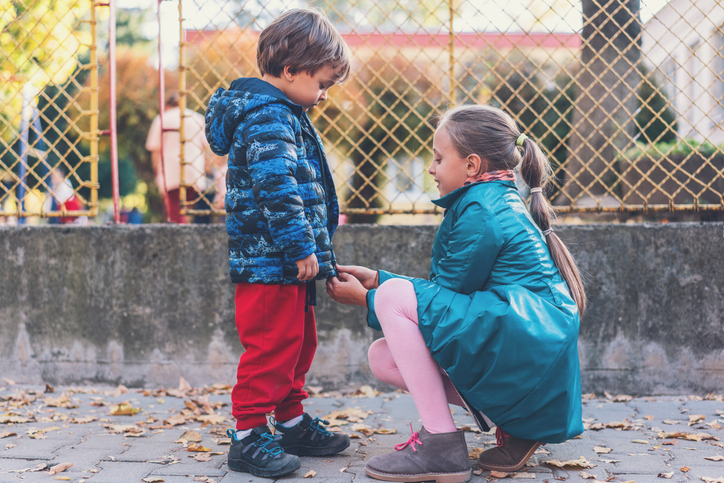
Encourage one act of kindness daily.
Why it works:
Promotes empathy and strengthens positive behaviour in schools.
14. Body Scan Exercise

Students mentally scan their body from head to toe and relax each part.
Why it works:
Builds awareness of stress and helps release tension, supporting mindfulness for stress management.
15. Mindful Eating
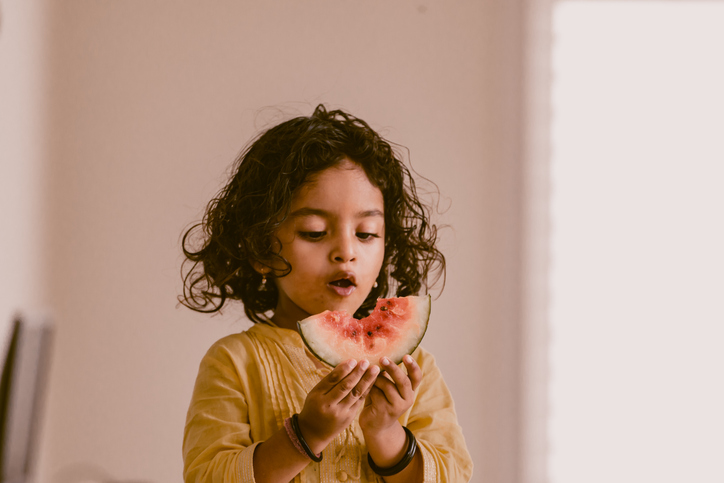
Students eat slowly, focusing on taste, smell, and texture.
Why it works:
Encourages awareness and builds healthier habits, supporting mindfulness for child development.
16. Positive Affirmations
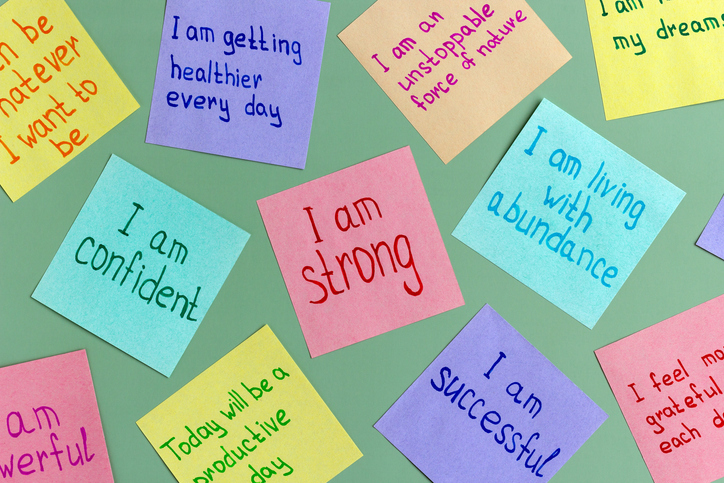
Students repeat self-affirming statements like “I can handle challenges.”
Why it works:
Reduces negative self-talk and builds confidence, especially important for teenagers.
17. Calm Down Corner
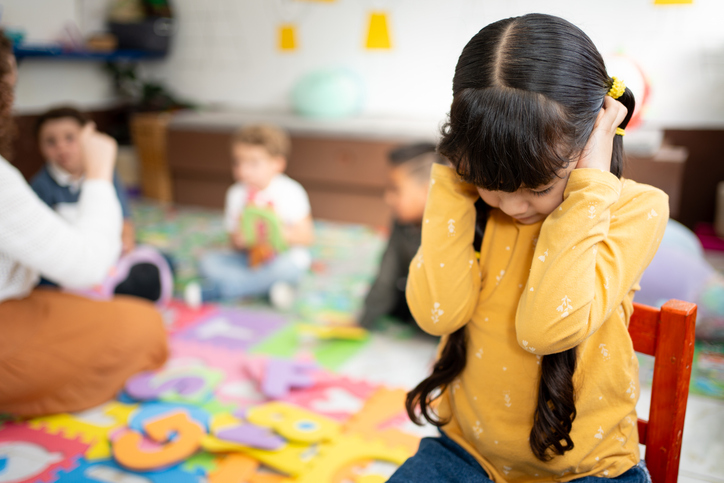
A designated quiet space for students to reset.
Why it works:
Encourages self-regulation and supports mindfulness for behaviour management.
18. Counting Breaths

Students count each breath up to 10 and restart.
Why it works:
Improves concentration and is an effective mindfulness meditation exercise for kids.
19. Digital Detox Moments

Introduce short no-screen breaks during school hours.
Why it works:
Reduces overstimulation and improves attention span and focus.
20. Nature Awareness

Students observe the sky, trees, or surroundings.
Why it works:
Nature exposure reduces stress and improves mood and student wellbeing.
21. Pause Before Reacting

Teach students to take a breath before responding.
Why it works:
Builds impulse control and supports positive behaviour in schools.
22. Thought Labelling

Students identify thoughts as helpful or unhelpful.
Why it works:
Encourages self-awareness and improves decision-making.
23. Mindful Drawing
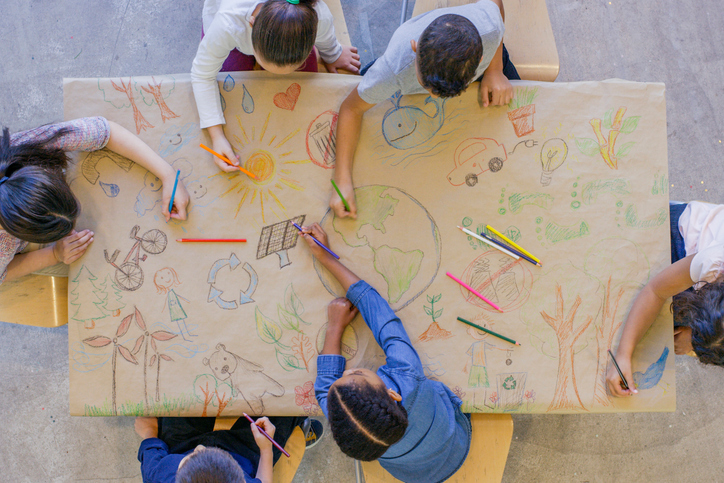
Students draw patterns or doodles with full attention.
Why it works:
Enhances creativity while improving focus and emotional expression.
24. Classroom Reflection Time
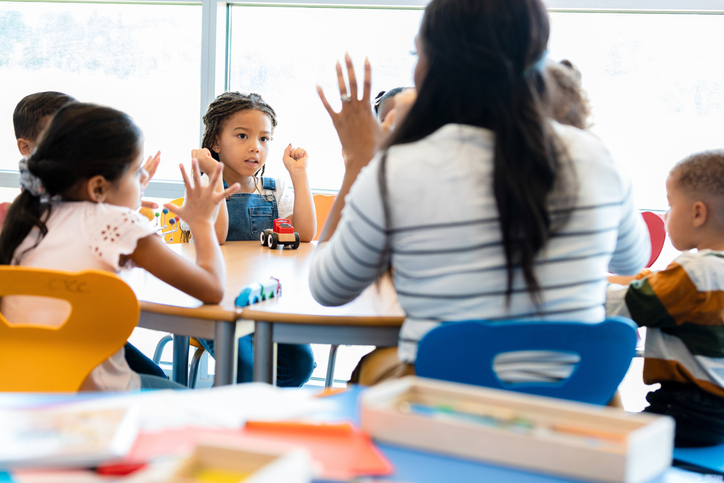
End the day with a short reflection.
Why it works:
Helps students process learning and reinforces mindfulness habits.
25. Smile & Relax Exercise
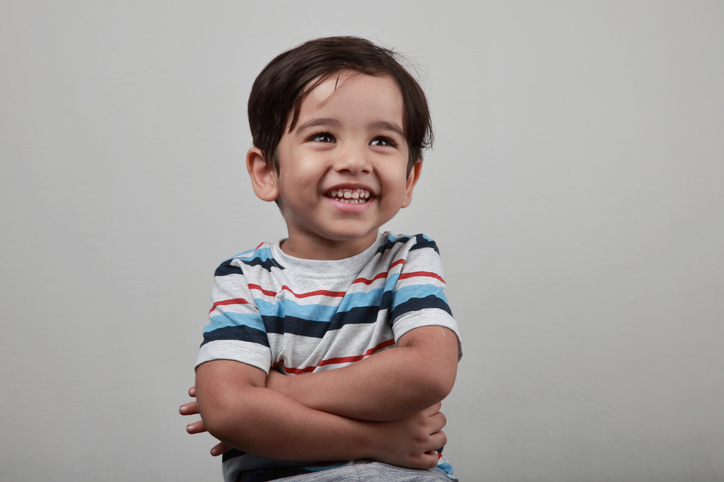
Students gently smile and relax their face muscles.
Why it works:
Even a small smile can trigger positive emotional responses in the brain.
Easy Mindfulness Activities for Classroom Daily Routine
Here’s how schools can structure classroom mindfulness practices for improving student focus:
| Time | Activity |
| Morning | Breathing or silence (2 mins) |
| Mid-class | Stretch or reset |
| Before exams | Calming exercise |
| End of day | Reflection or gratitude |
Why These Mindfulness Techniques Work
Research from the American Psychological Association and Harvard University shows that mindfulness:
- Improves brain function related to attention
- Reduces anxiety and stress
- Enhances emotional regulation
Final Thoughts
In a world full of distractions, teaching students how to pause, breathe, and focus is one of the most valuable skills schools can offer.
These simple mindfulness tips for kids and teens are not just activities, they are lifelong tools that support better focus, reduced stress, and stronger emotional resilience.
Integrating mindfulness in schools supports:
- Social-emotional learning (SEL)
- Student wellbeing
- Positive classroom environments
Forward-thinking institutions like Wisdom World School are embracing these practices to prepare students for real-world challenges. When schools prioritise mindfulness, they don’t just create better students, they nurture healthier, happier individuals.
FAQs
1. What is mindfulness for kids and teens?
It is the practice of being present and aware of thoughts, emotions, and surroundings.
2. How does mindfulness help reduce anxiety in students?
It calms the mind, reduces overthinking, and helps students stay grounded.
3. Can mindfulness improve focus and attention in kids?
Yes, it strengthens attention span and improves academic performance.
4. How can teachers teach mindfulness in classrooms?
Through short daily exercises like breathing, reflection, and awareness activities.
5. Should mindfulness be part of the school curriculum?
Yes, it supports emotional wellbeing, focus, and overall development.